

Photobook Selections
Photobooks by Bay Area artists, chosen through the Harvey Milk Photo Center open call and added to our permanent collection.
The Harvey Milk Photo Center is developing a collection of photobooks from Bay Area artists within the David Johnson Reference Library and invites artists and publishers from the Bay Area to submit their books for consideration.
The selected books will be displayed in the David Johnson Reference Library at the Harvey Milk Photo Center in San Francisco. In addition, the books will be featured on our social media and will go into the permanent collection at the Center. Five books will be selected per cycle and will be judged by a committee from the Center.
2026 Selections
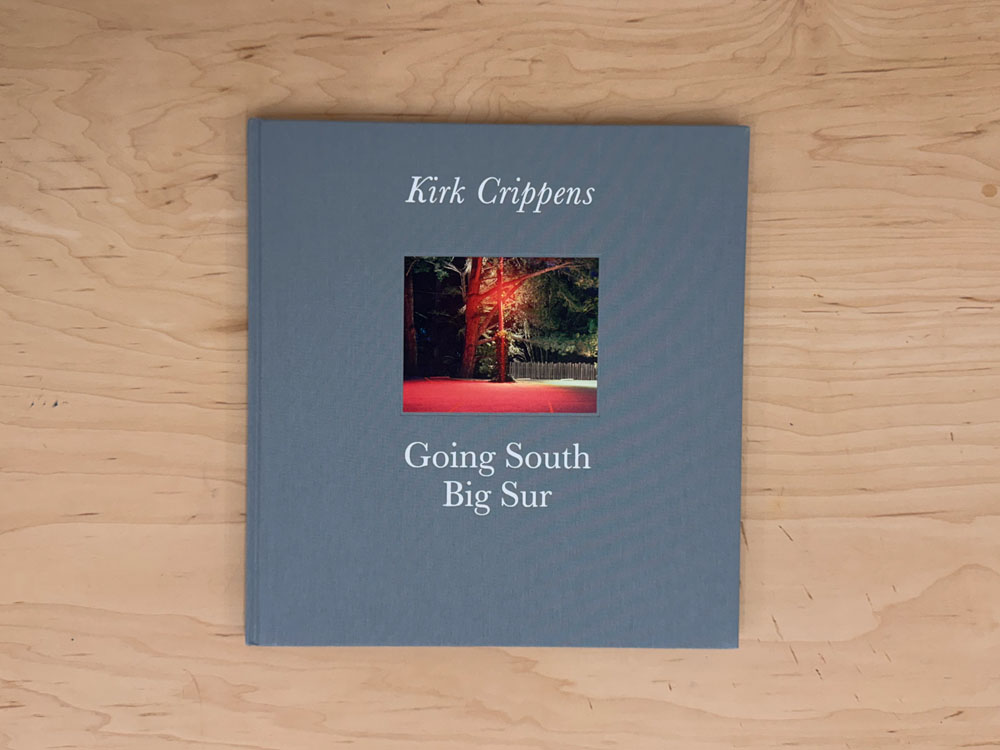
Going South – Big Sur
by Kirk Crippens
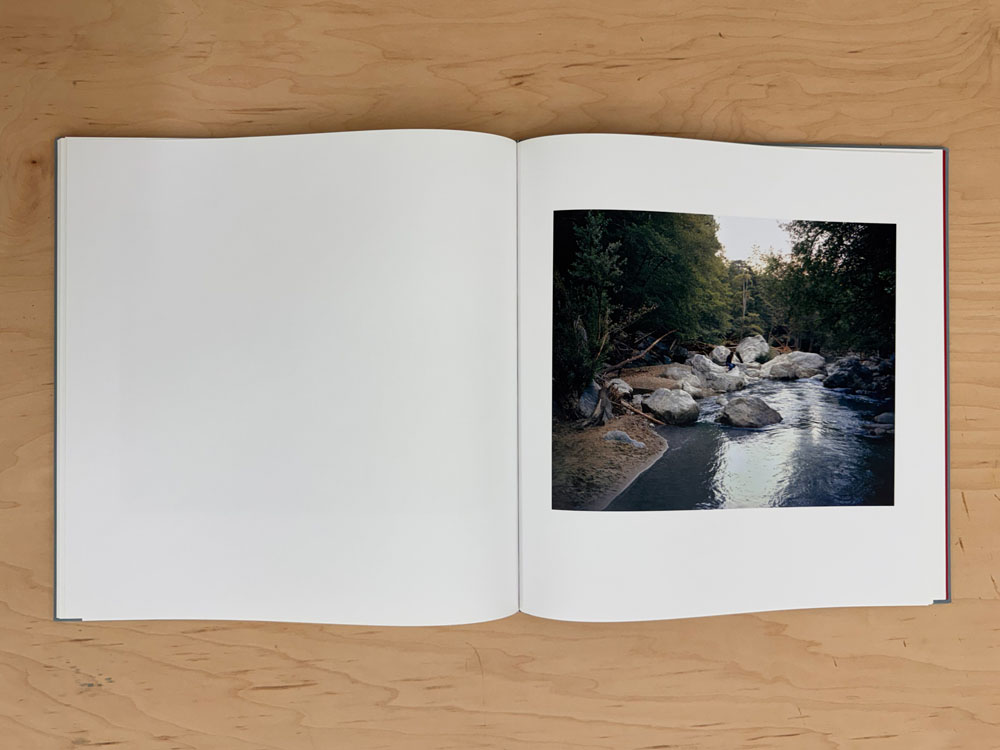
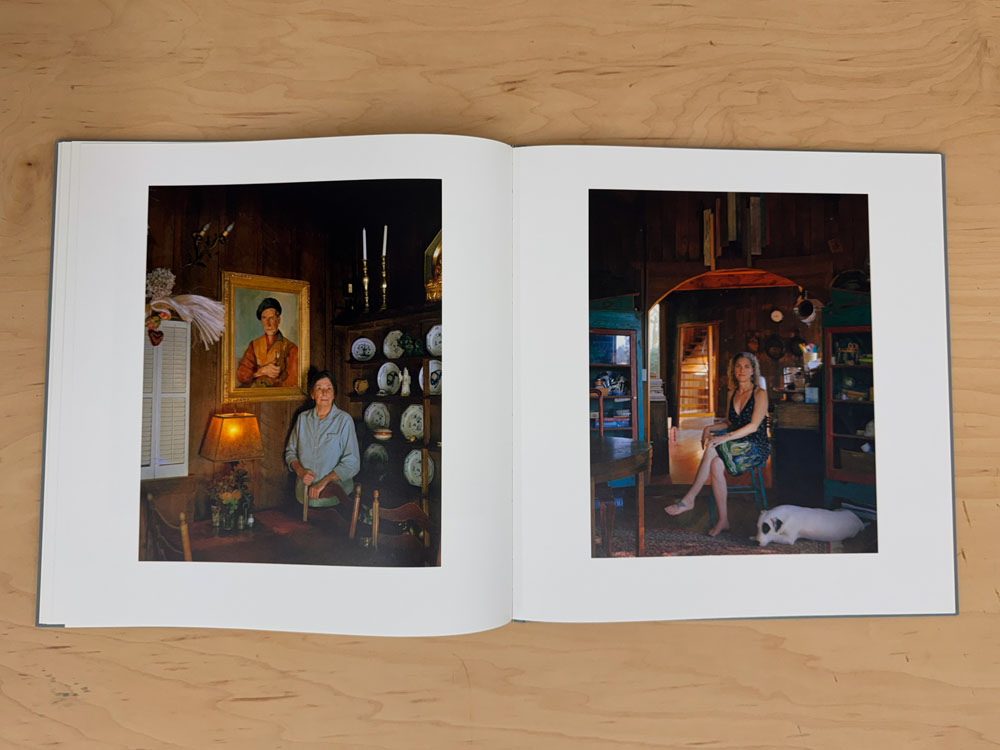
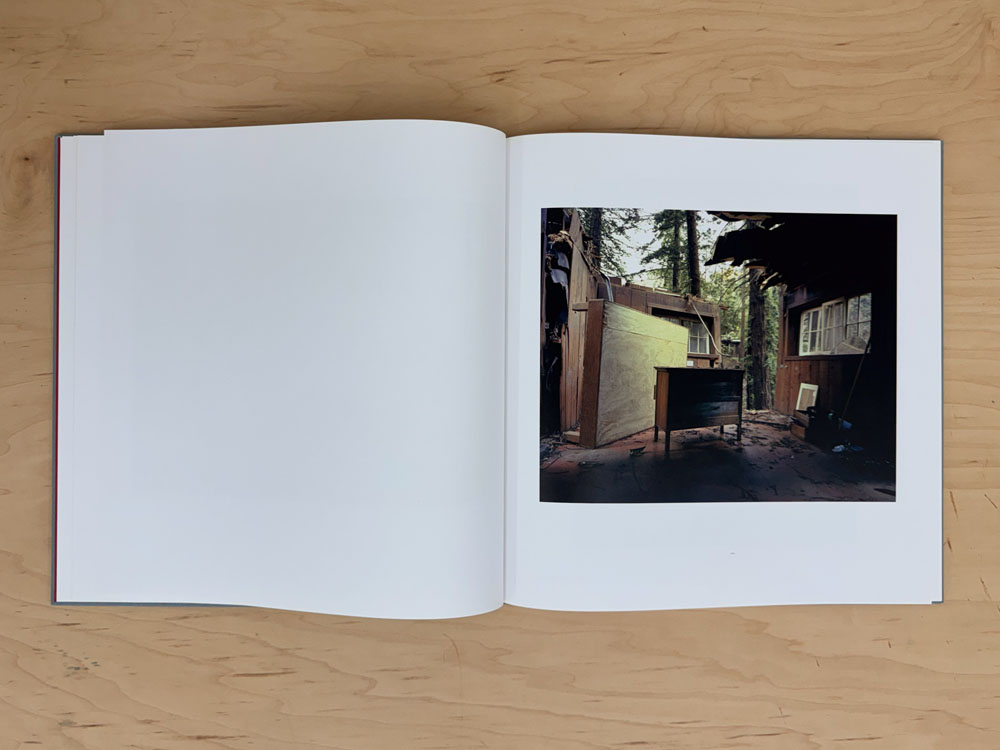
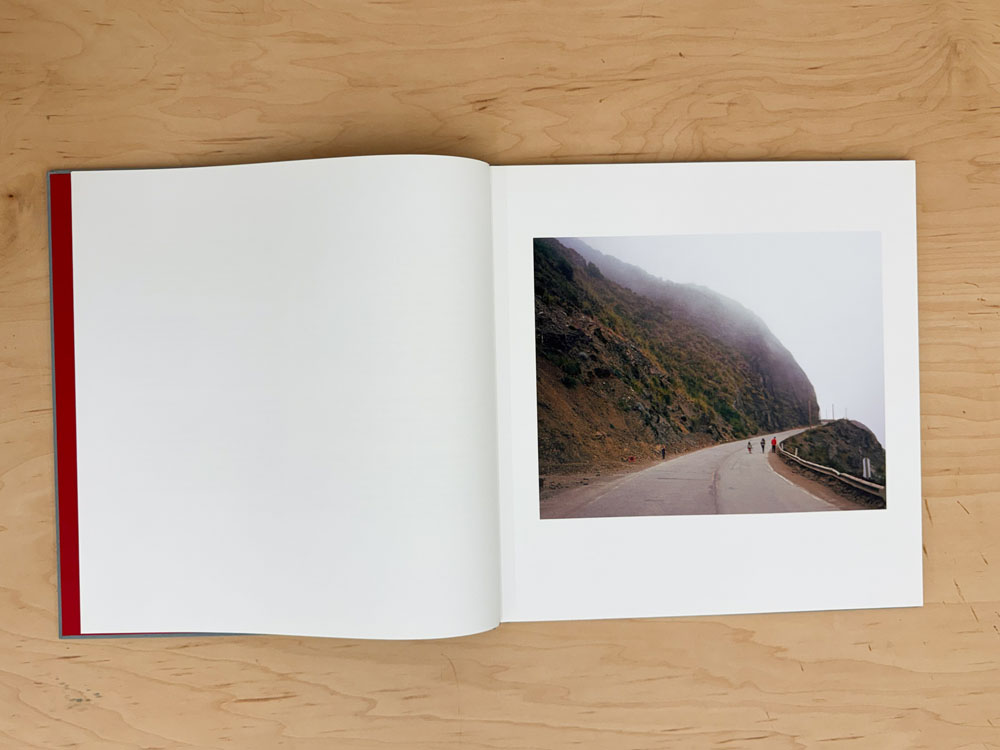
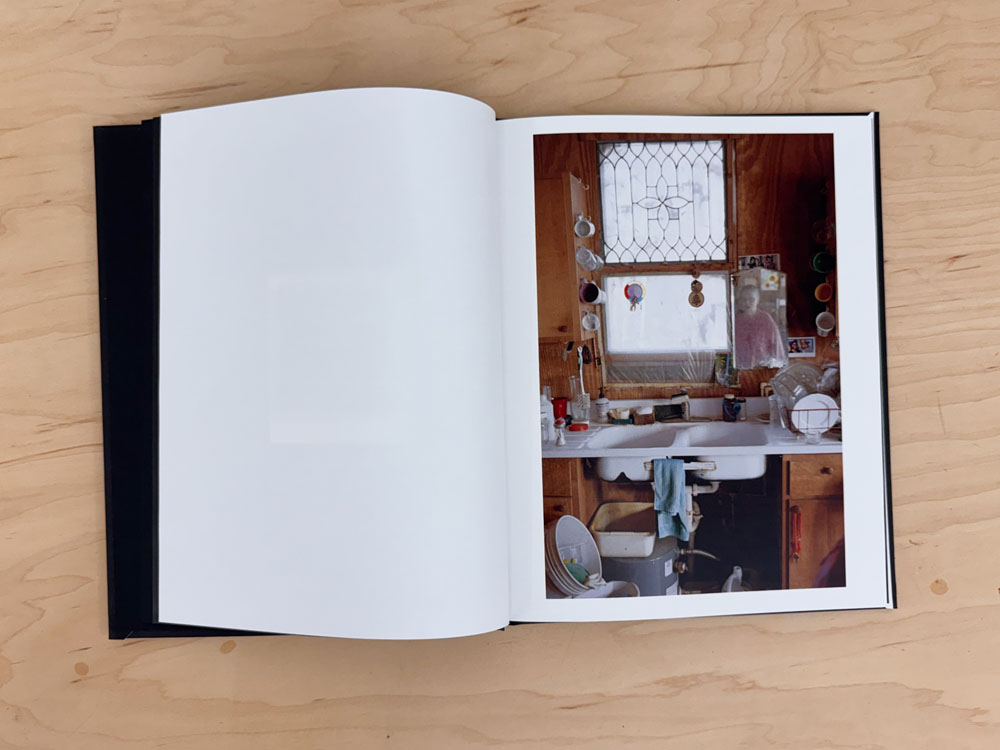
Going South – Big Sur began in the winter of 2017, when extreme rainfall following years of drought and wildfire caused the collapse of the Pfeiffer Canyon Bridge and the largest landslide in Big Sur’s recorded history. Highway 1 was severed to both the north and south, isolating the community for more than a year. During this period, I hiked a large format camera into Big Sur and began photographing the unusually quiet landscape and the people who remained there.
I was not interested in making another conventionally beautiful book about Big Sur. Instead, I wanted to look beneath its familiar postcard image and portray a place marked simultaneously by beauty, destruction, isolation, resilience, and continued daily life. The book combines landscapes, interiors, evidence of the damaged environment, and portraits of residents who continued to live, work, and make art while the region was cut off.
Going South – Big Sur was published by Schilt Publishing in 2019. The hardcover book contains 80 pages and 44 full color photographs. It measures approximately 11.8 × 12.4 inches, or 30 × 31.5 centimeters, and is offset printed on paper with a case bound hardcover.
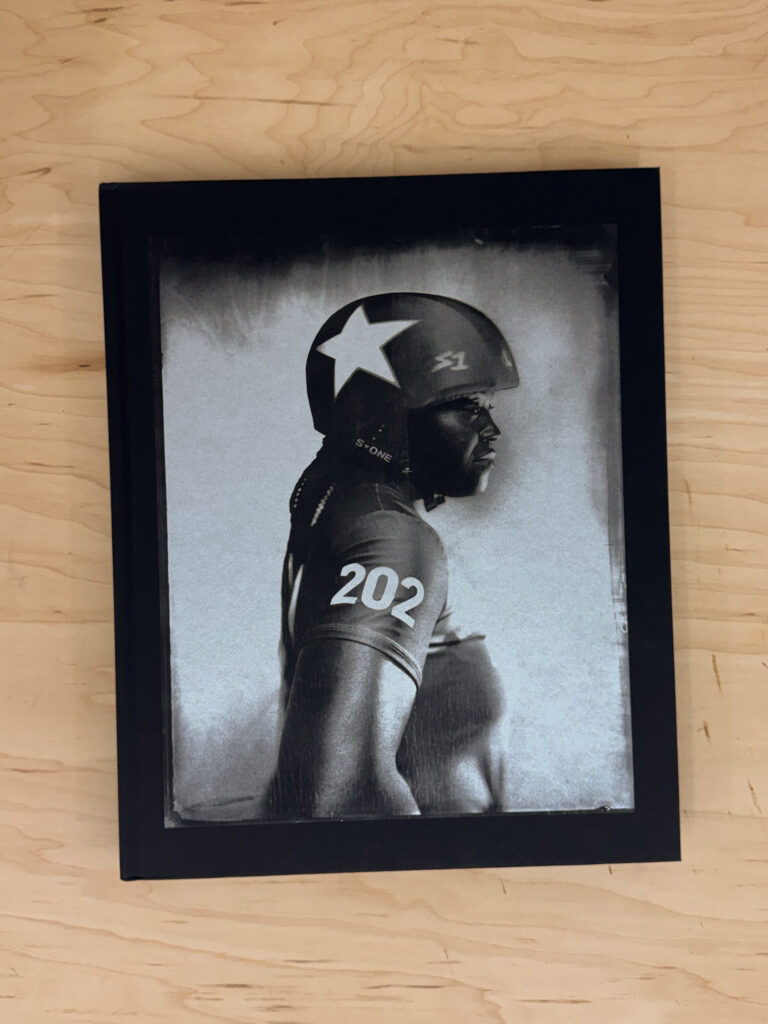
JAMNESIA
by Brittany Bradley
Book Description:
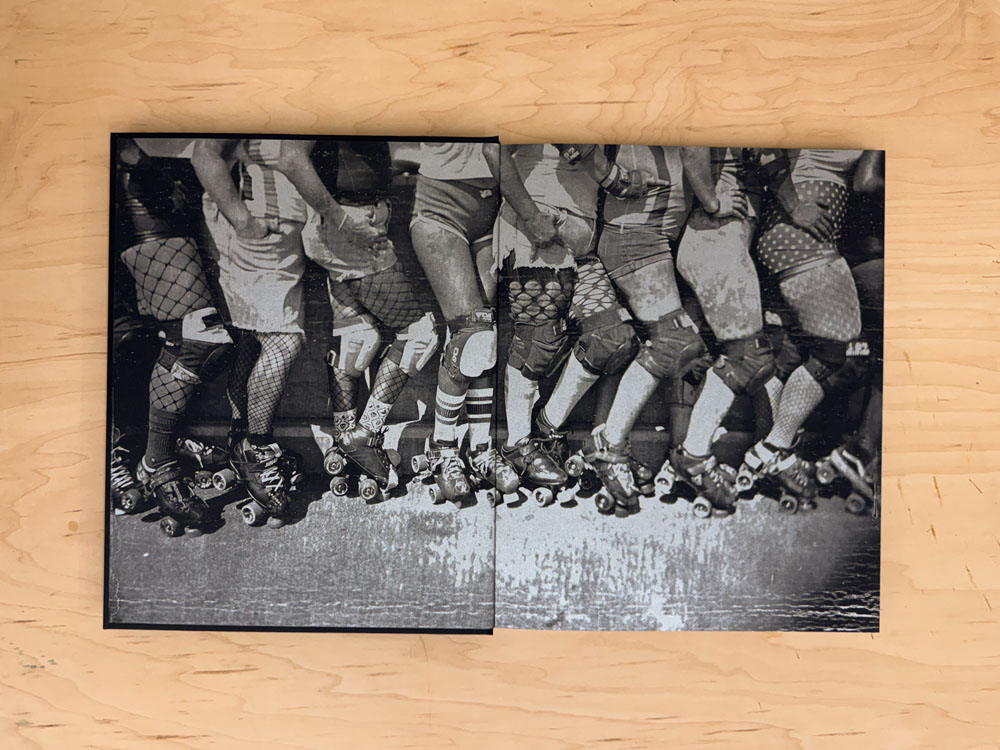
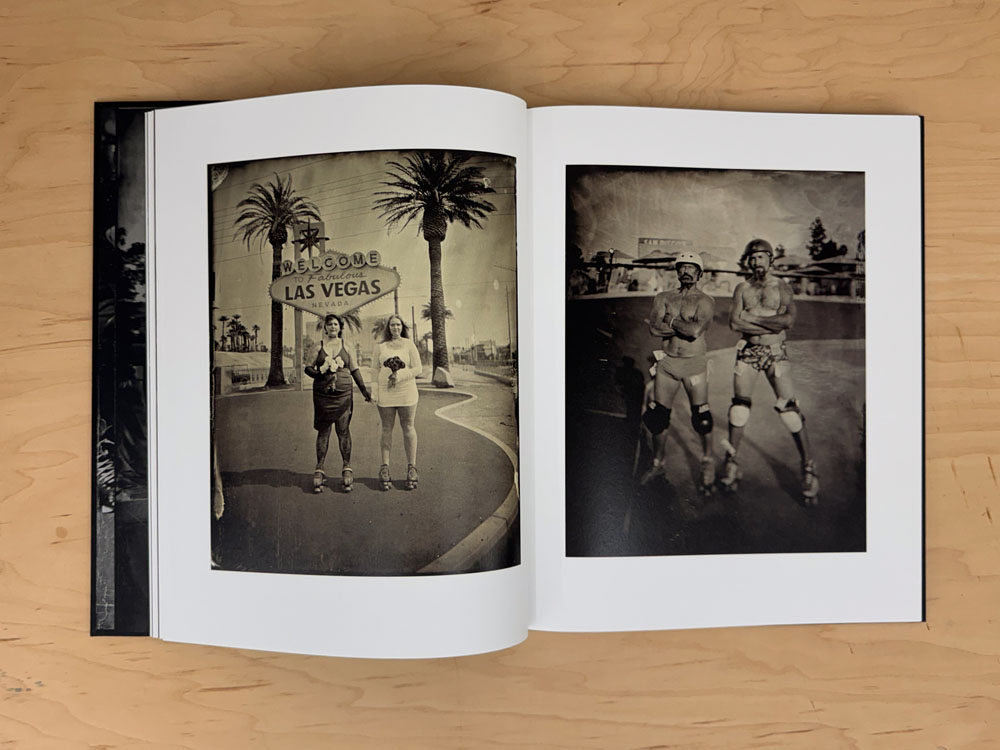
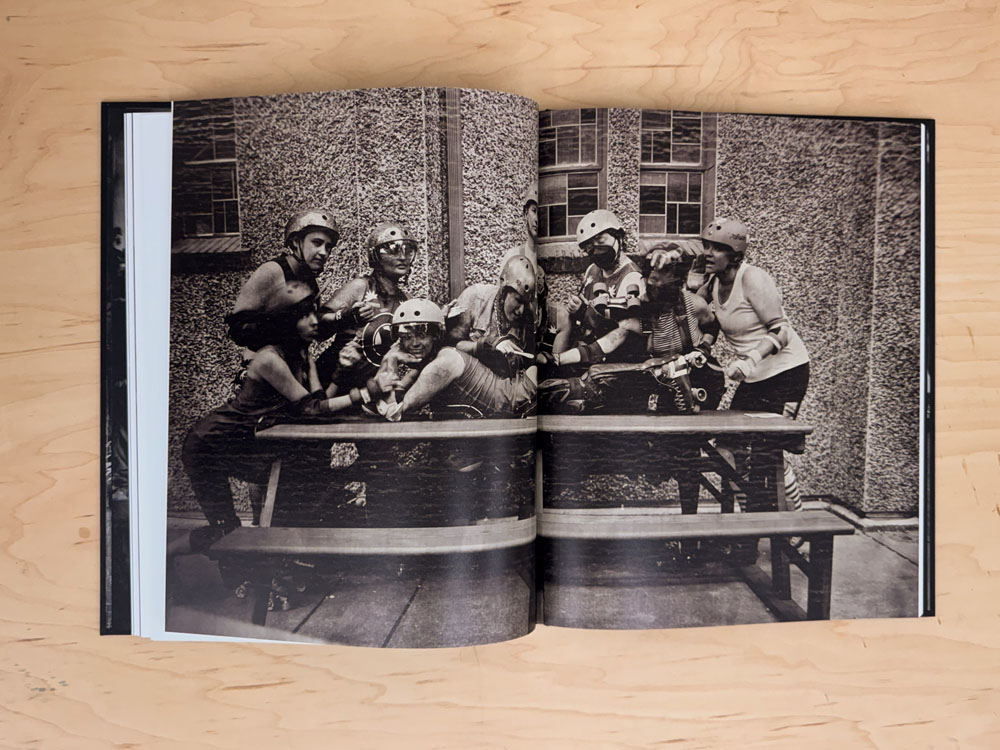
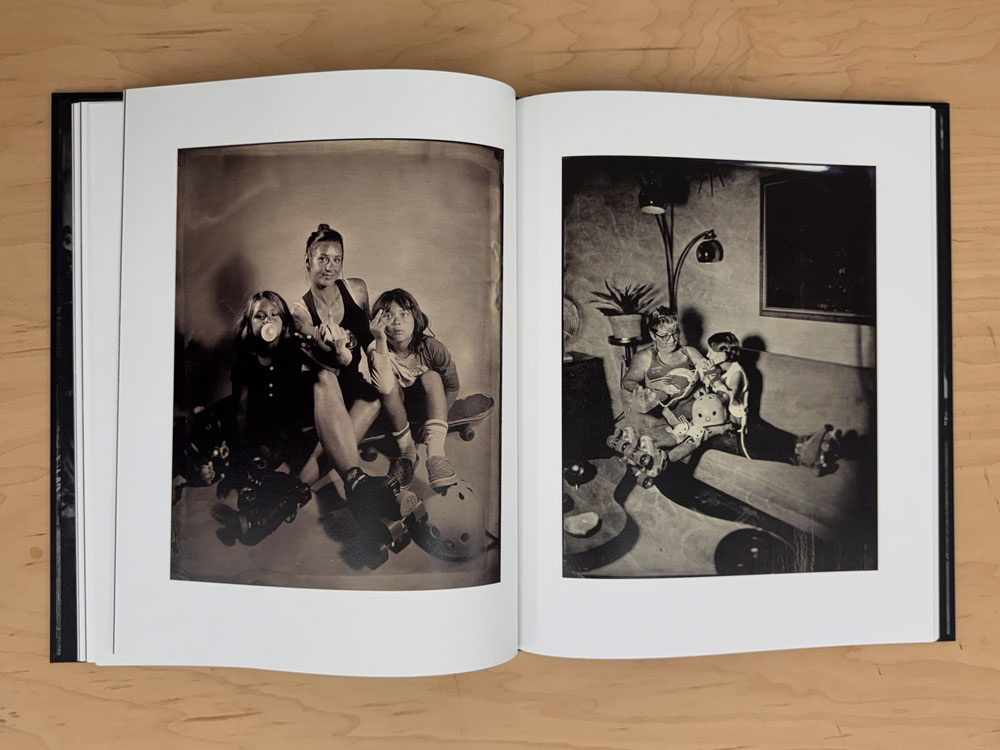
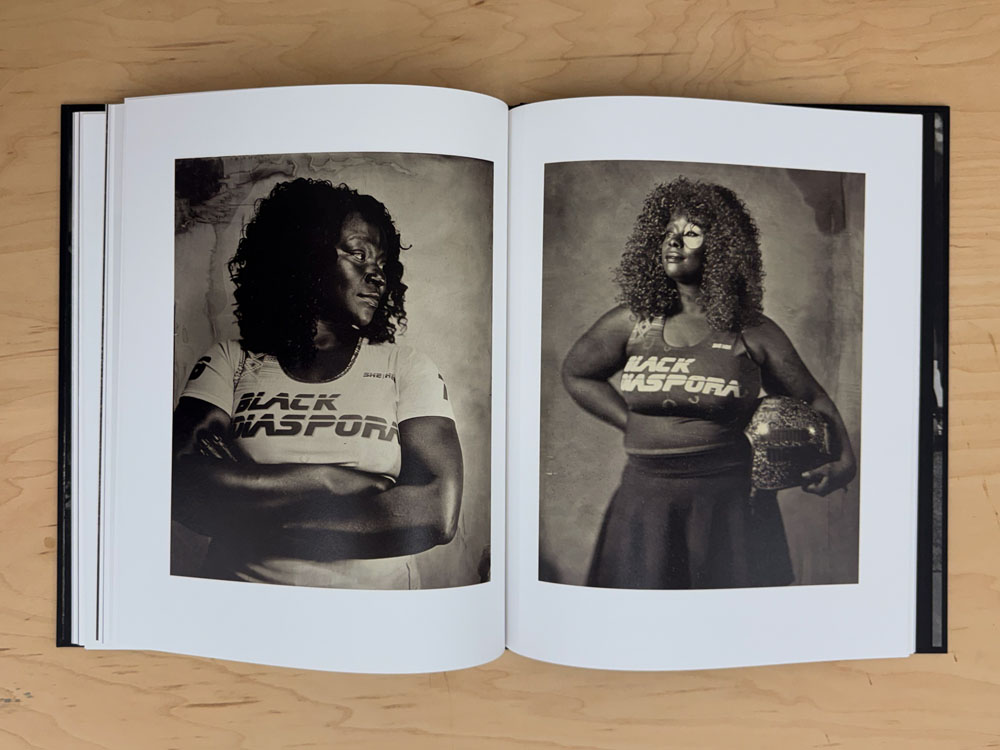
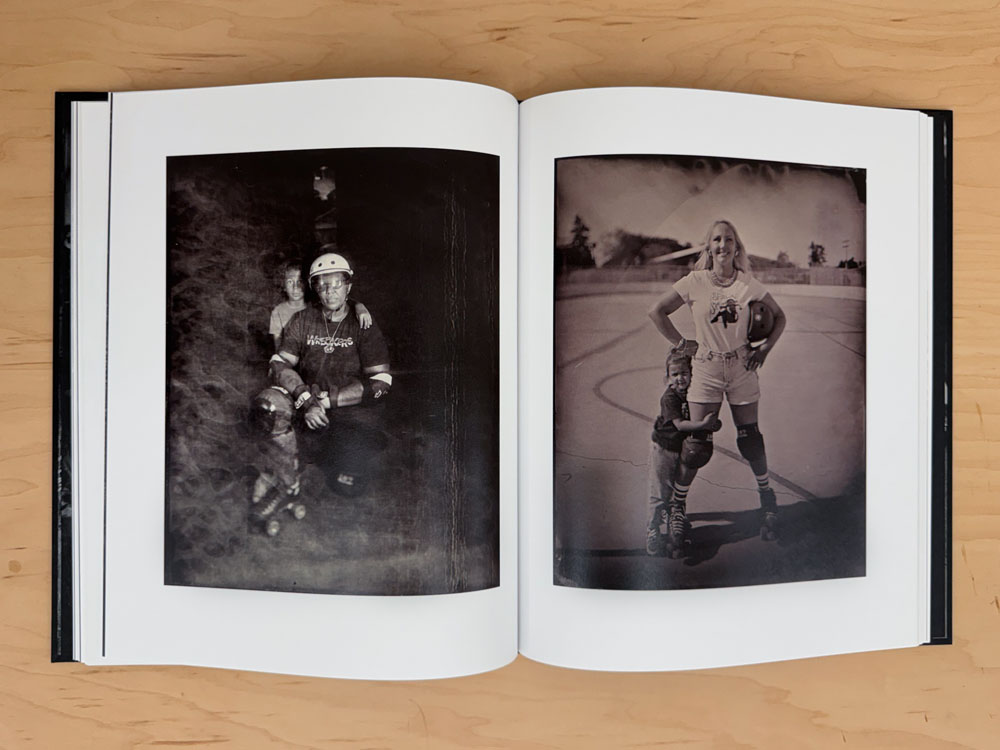
JAMNESIA is a self-published limited edition fine art photography monograph documenting the roller derby community through wet plate collodion photography. The book combines portraits, documentary images, and 2 personal essays to explore identity, resilience, and belonging within a sport built on self-expression and mutual support.
Pages: 182
Photographs: Approximately 160 photographs
Dimensions: 10.25 × 12.5 inches (portrait)
Materials: Hardcover, printed on premium matte art paper with full-color offset printing and black paper with metallic silver ink in negative. The publication was released in a limited first edition of 1,000 copies.
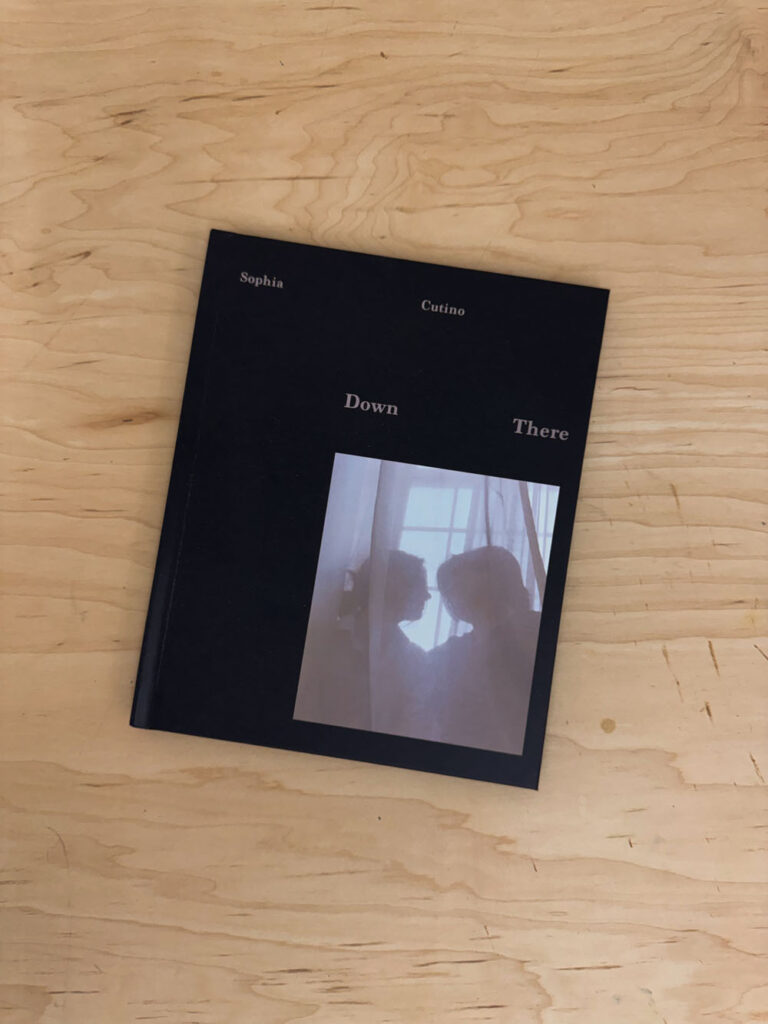
“Down There”
by Sophia Cutino
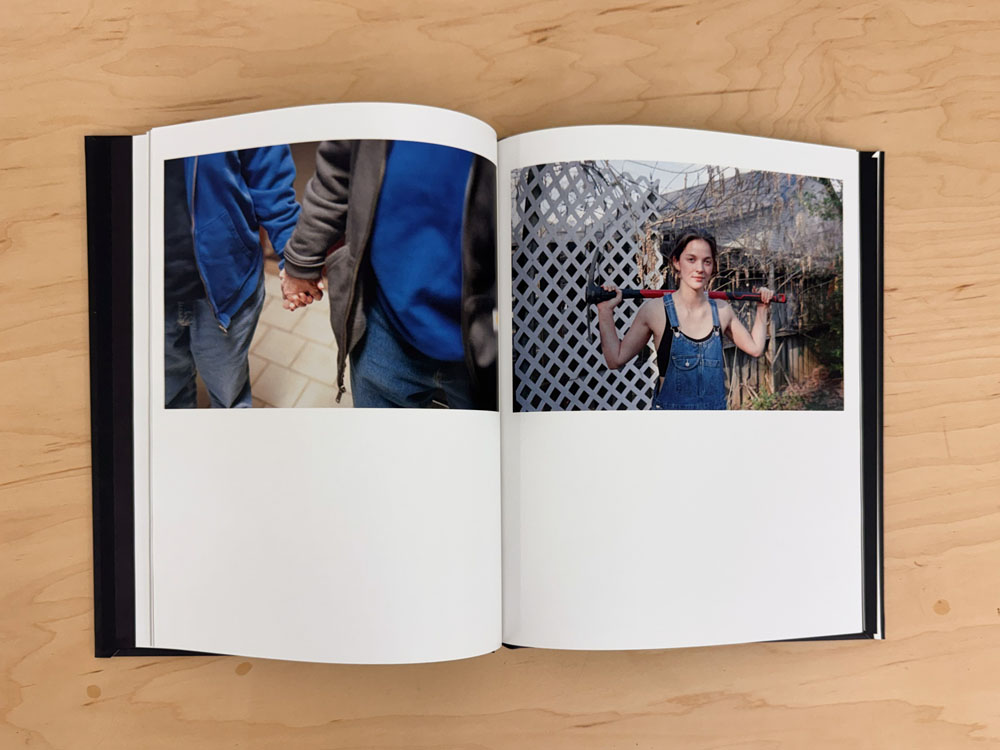
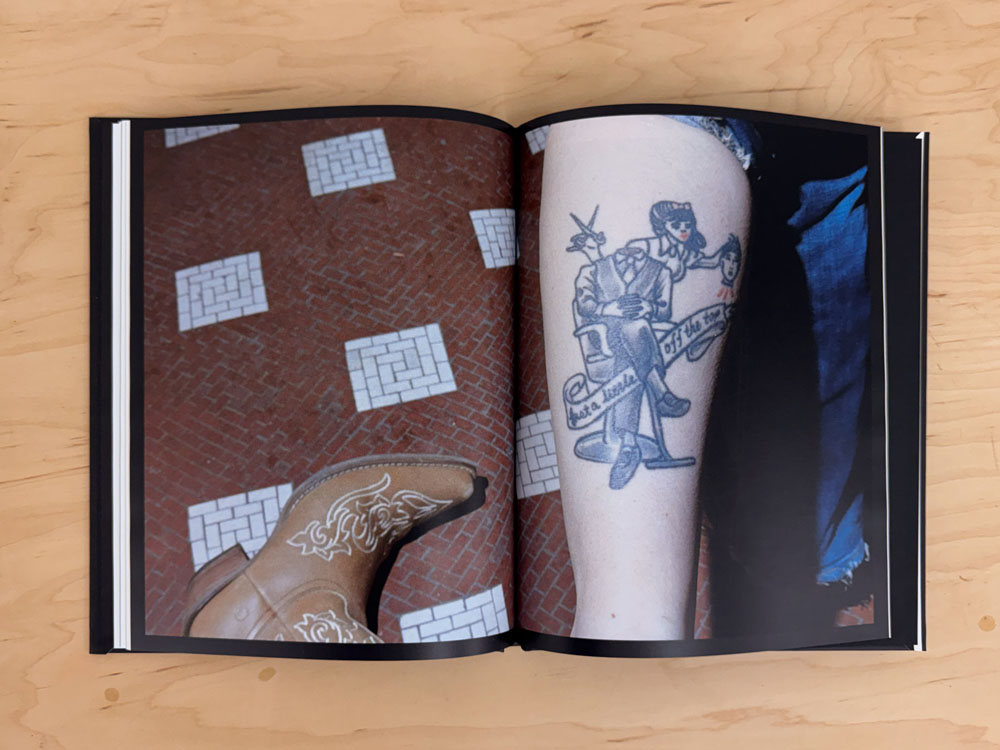
Utilizing the Gender Studies program at both major Mississippi Universities, the grassroots newsletter Lesbian Connection, and queer-focused organizations like The Spectrum Center and Mississippi Safe Schools Coalition, I embedded with different communities around the state for five weeks to provide diverse examples of experiences and infrastructure by region. Through an intimate, long-form visual approach shot primarily on 35mm film, “Down There” documents the quiet intimacy within homes and the precarious, omnipresent balance between accepting oneself and treading carefully in public spaces. My photographs are combined with handwritten notes so the women can speak for themselves and shape their own legacy while challenging dominant stereotypes of Mississippi and queer life. Lesbians in Mississippi create the care and support for each other that is largely unprovided to them by families, schools, or laws. Still, their lives, and this project, continue to center on love and connection rather than hardship.
The book is an 8×10 hardbound, 57-page series that includes 50 photographs, 5 letters, and introductory polaroids.
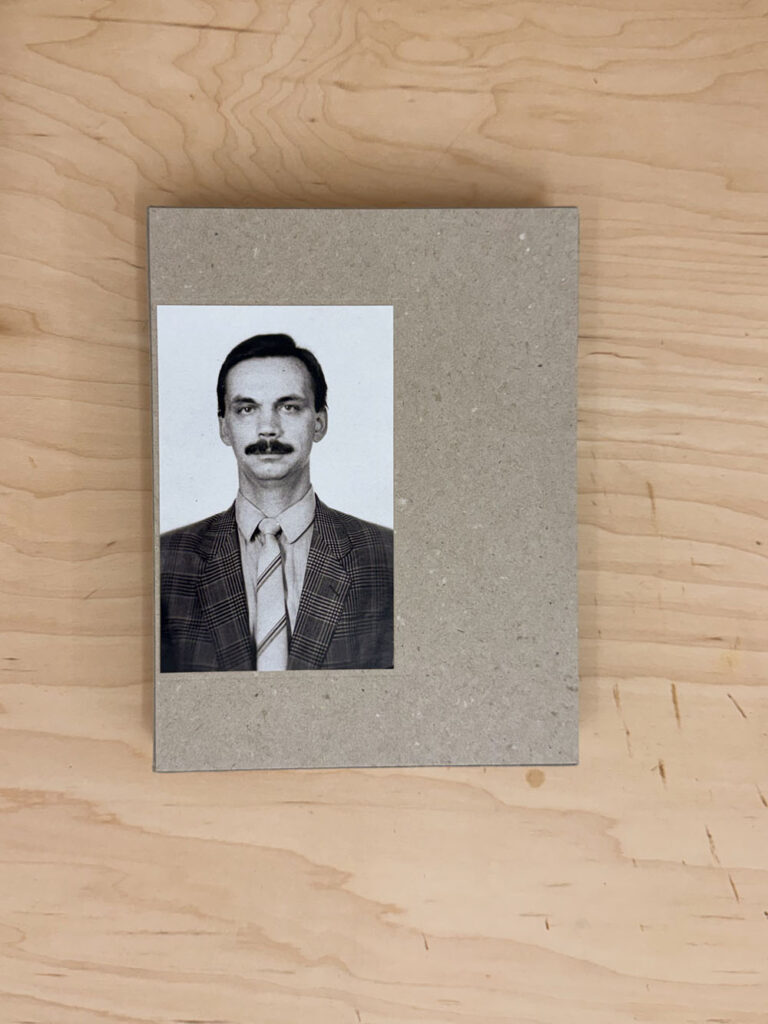
BINOM
by Nata Drachinskaya
Artist Statement
My artistic practice is my way of getting to know the place I live in better, of meeting the people who live here and listening to their stories. To me, the photobook is the best format for visual storytelling, and one of the best ways to learn more about the world we live in through the stories of real people.
About BINOM photo book
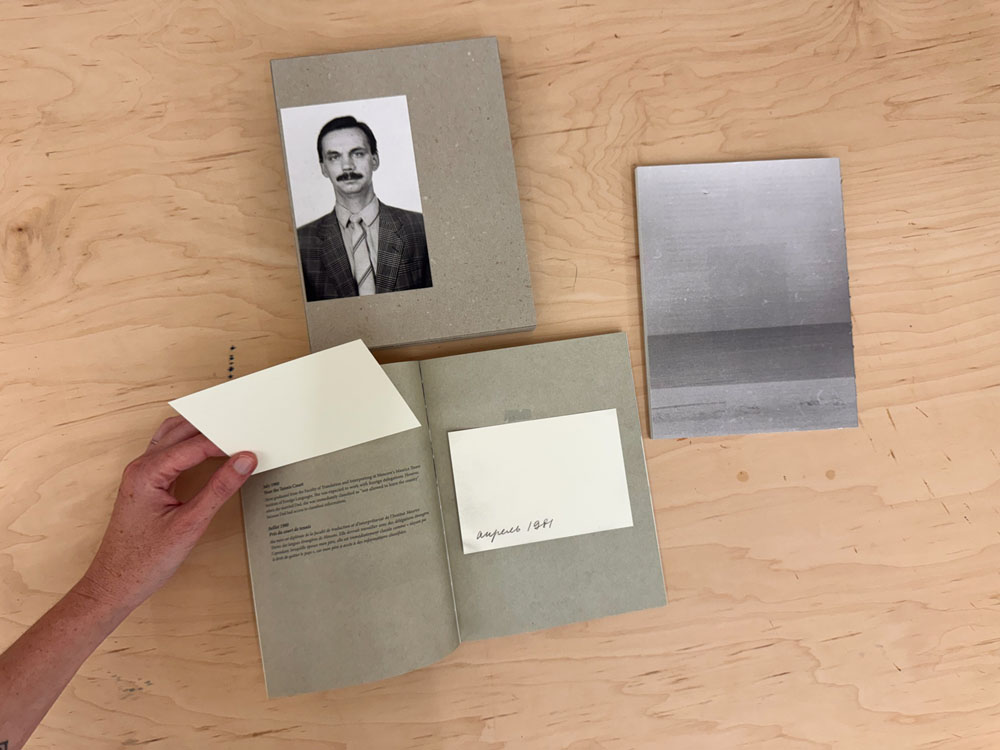
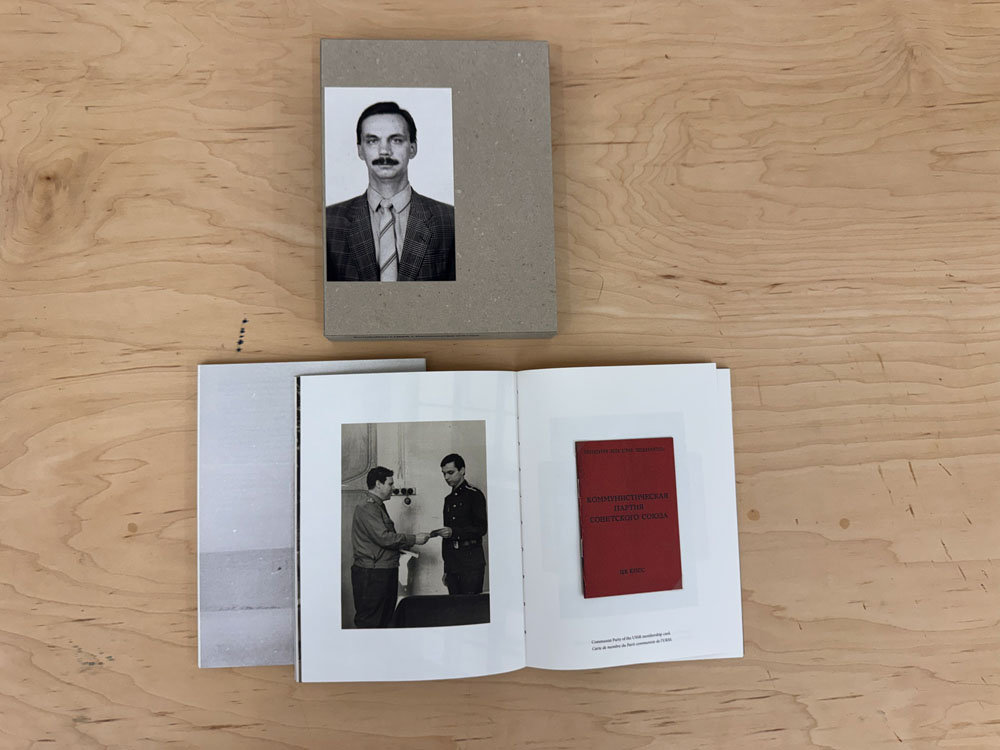
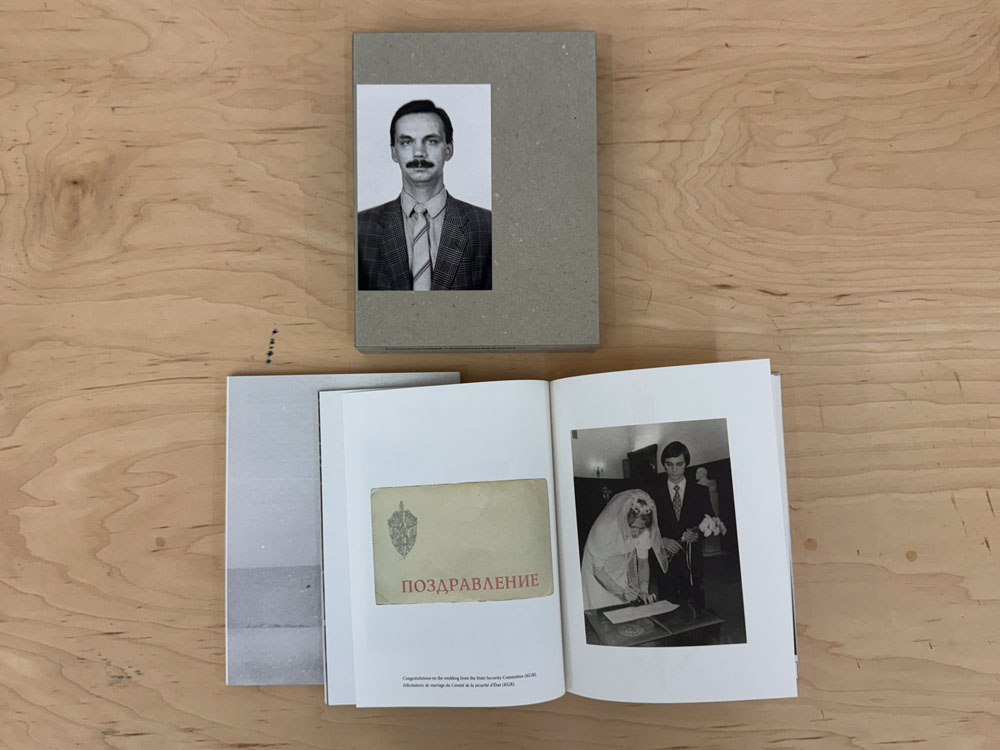
BINOM examines how a family story intertwines with a larger historical narrative, and how the exploration of a family history and its photographic archive can be a key to understanding the contradictions of Soviet and Russian identity.
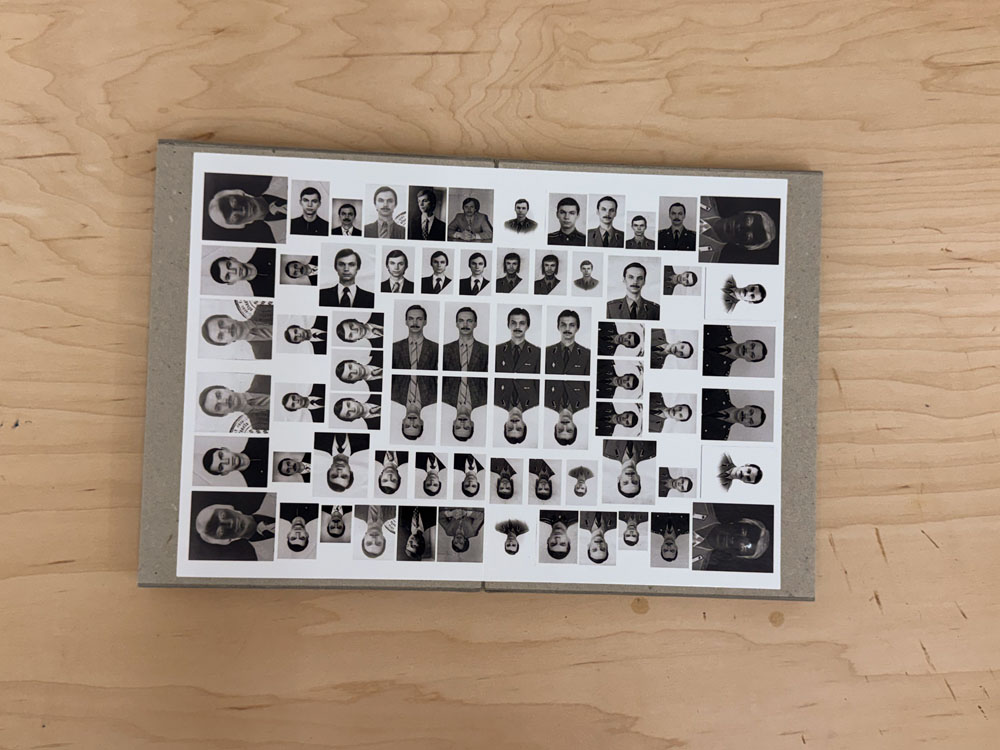
For most of my life I believed I knew my father. He died by suicide in 2001, and the box he left behind- photographs, slides, family albums, official documents, personal belongings – revealed a life I had never been told about. For more than twenty-five years he had worked as a KGB cryptographer, developing encryption algorithms to secure government communications. His work was classified so tightly that his own family never knew its true scope.
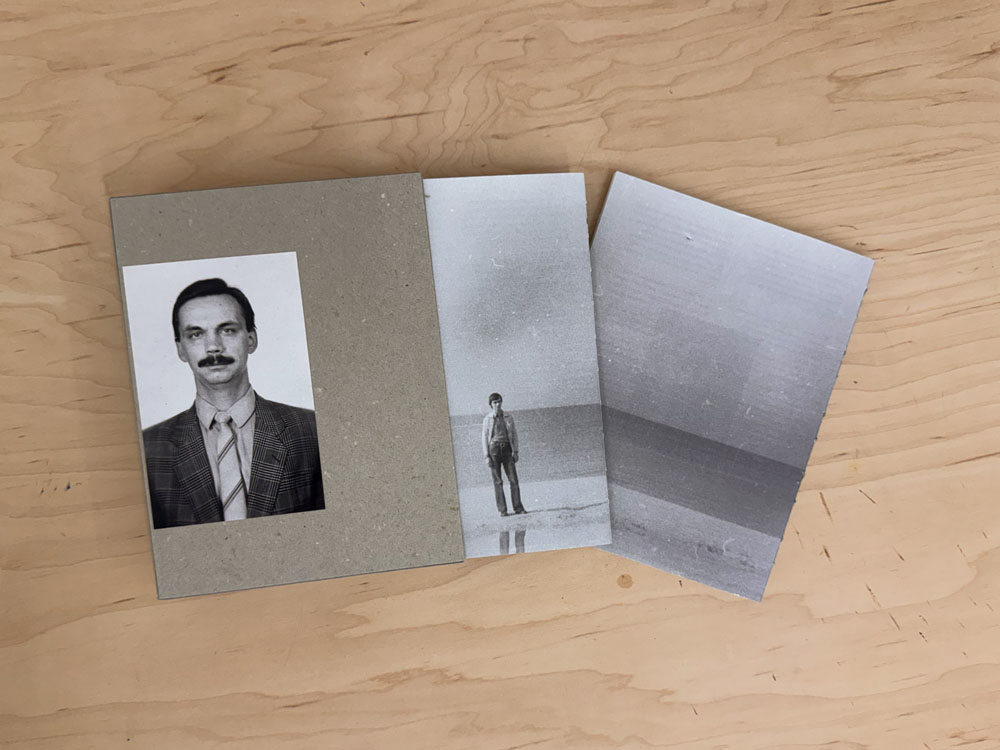
BINOM is built from that archive and structured as two interconnected volumes. One holds the father a daughter remembers: a summer house built by hand, evenings spent writing code, childhood games, family rituals. The other traces the secret life that opens slowly from the documents – a life built on silence and carefully guarded truths.
It is about the impartiality of mathematics, which serves the brilliant inventor and the secret service of a dictatorship with equal fidelity. It is about double lives and the destructive power of secrecy built on a great lie. It is about propaganda and learned blindness – the very particular ability of Soviet people to fold opposite things and events into a single normalized picture of life, detached from politics. The title comes from mathematics: a binomial is an expression of two terms. Students of the KGB’s cryptography faculty also jokingly called themselves binomes.
Awards:
2025 – Winner, 11th LUMA Rencontres Dummy Book Award
2024 – shortlisted in APhF Dummy Award feat. Witty Books
2023 – shortlisted in Photobook Award EI
Editions:
2025 – self-published as a hand-bound edition of 92 hand-numbered, signed copies
2026 – edition of 1000 copies, published by BLOW UP PRESS (Warsaw) and Les Rencontres d’Arles. ISBN 978-83-977057-4-6
Pages: 192
Photographs and drawings: 152
Dimensions: 16.5 × 22 cm
Language: English and French
After
by Christine Huhn
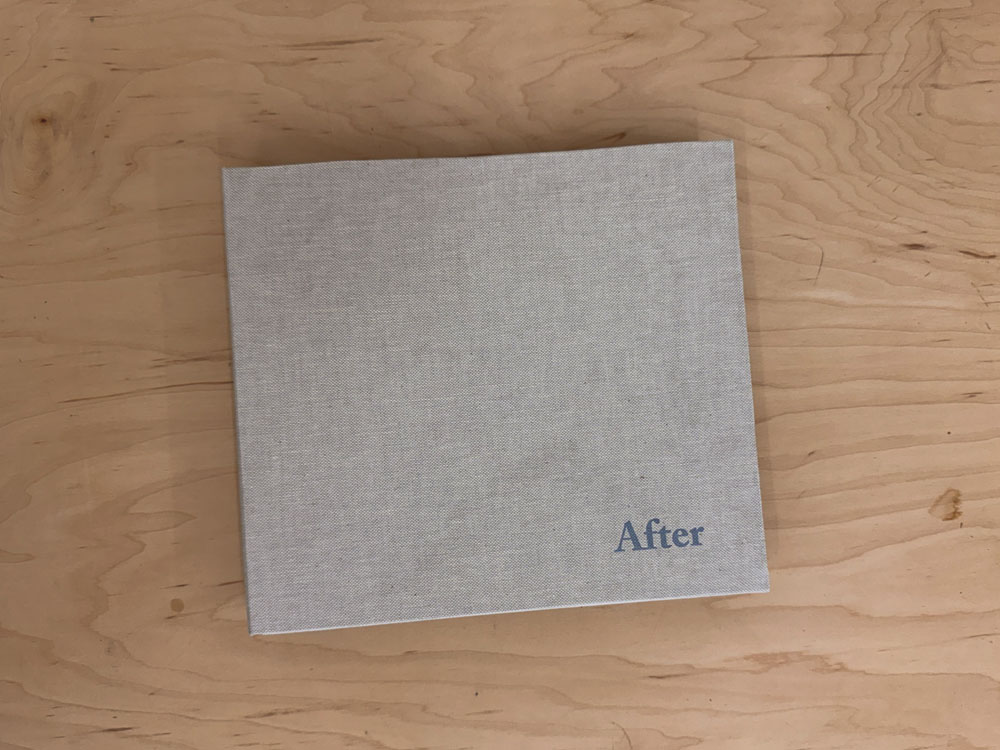
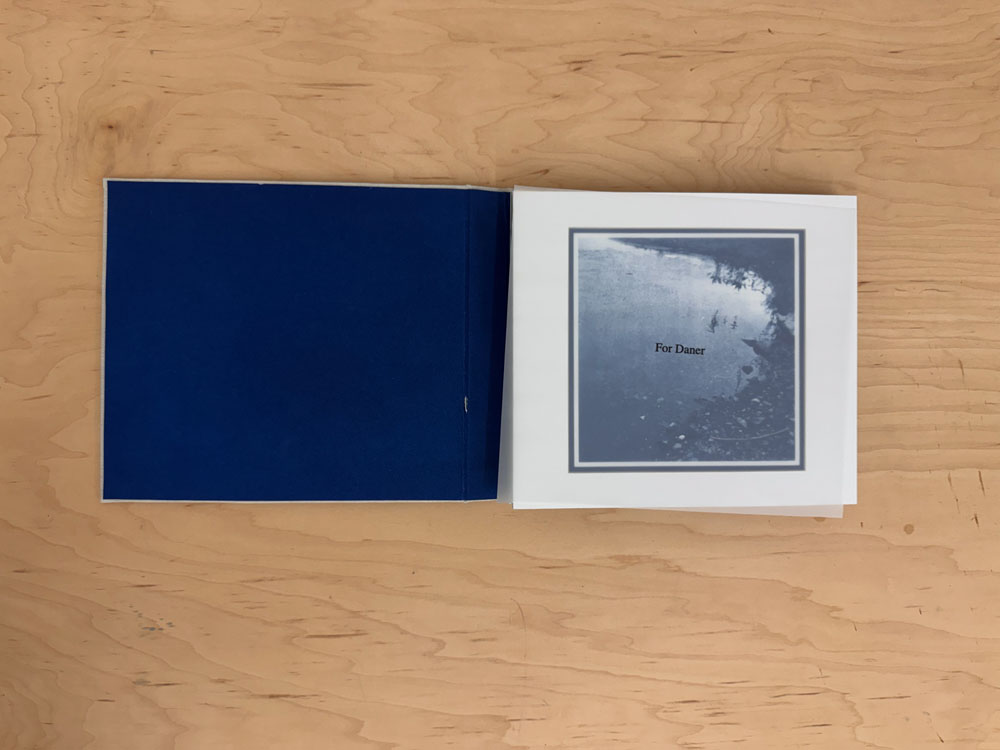
In 2023, one of my closest friends passed away suddenly. Our friendship is deeply connected to the place where we grew up, where we hiked, camped, and rafted together. After college, we moved back home, and I photographed the landscape along the Delaware River while he stood nearby fishing. I returned to these photographs in the wake of his death. The land carries what I cannot.
Printing photographs by hand became a way of processing my grief. This led me to create new images in response, picturing a landscape shaped by time and absence. These new images are different, as the landscape has changed significantly since then, the Delaware River Valley itself is changing. Historically, I have exhibited my work as large-format silver gelatin prints. For this project, I wanted the viewing experience to feel more intimate.
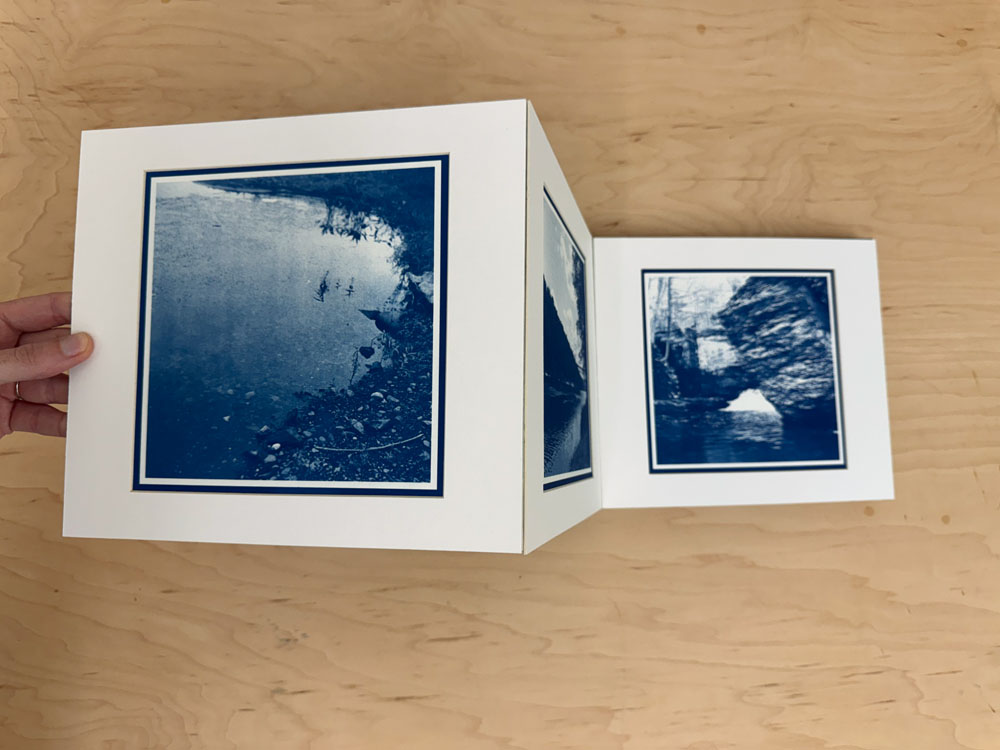
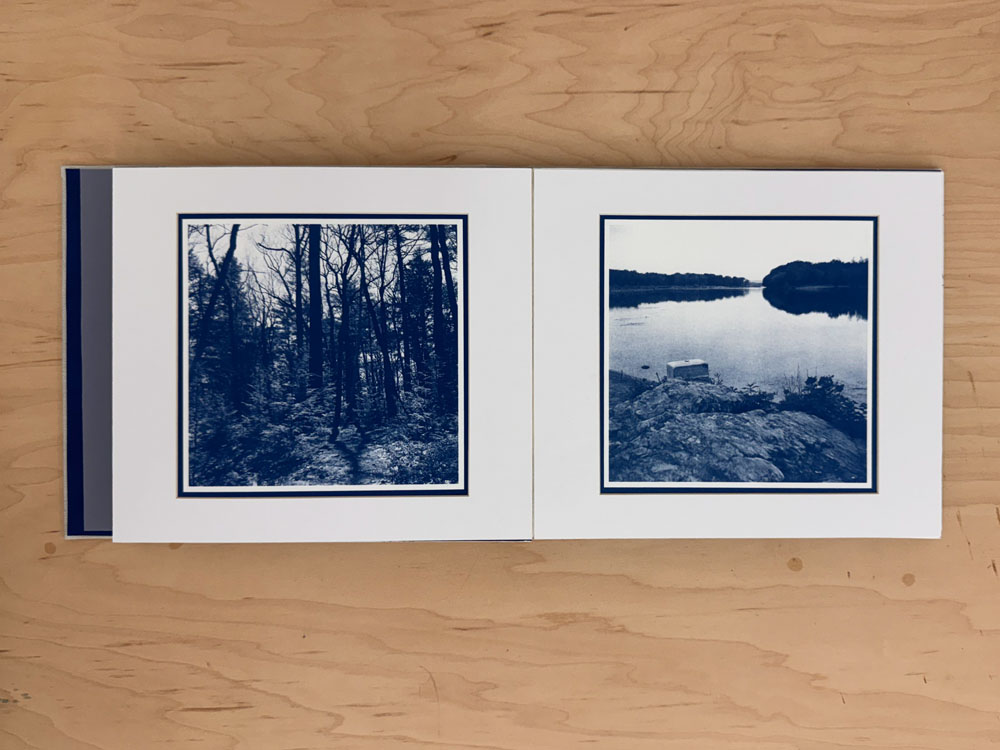
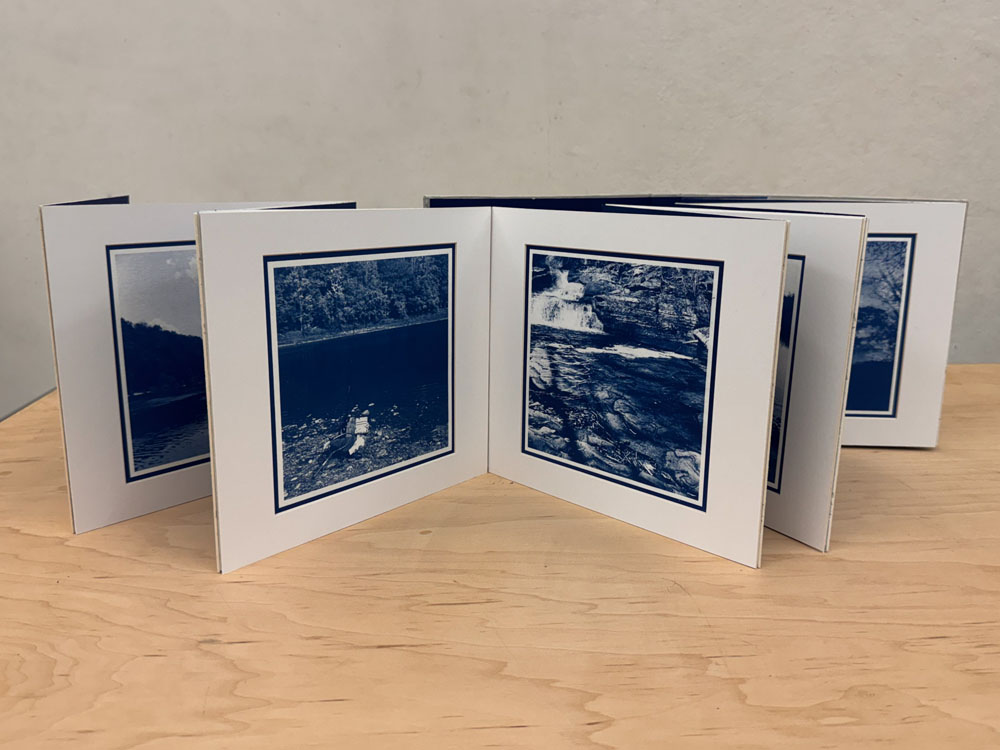
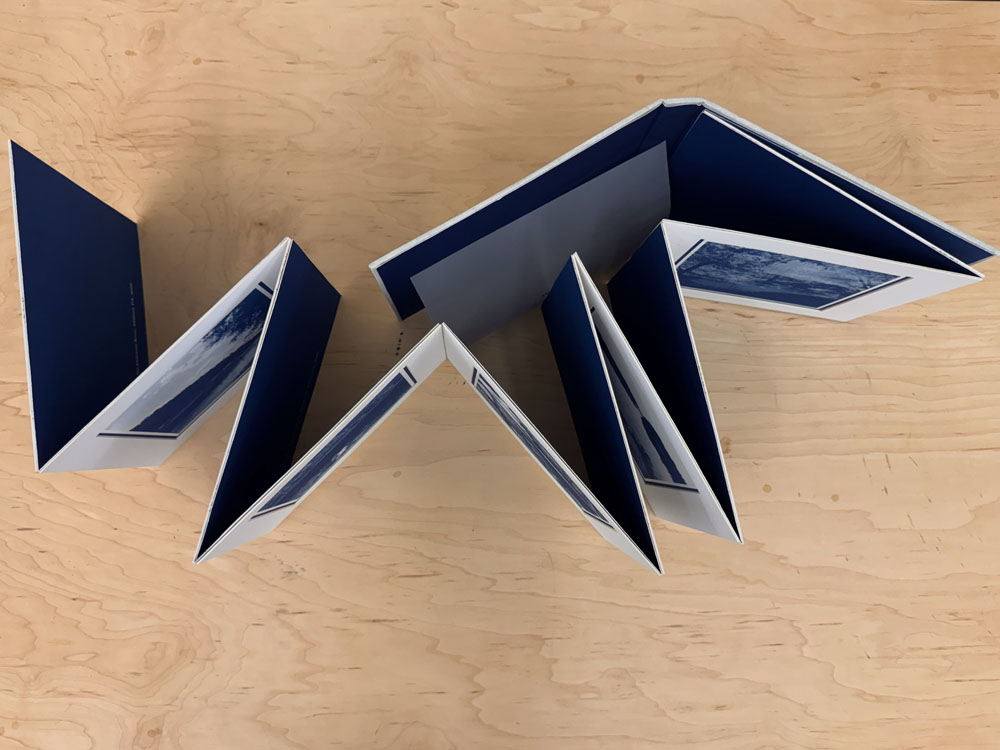
I created cyanotype prints housed in window mats and bound into an accordion style book. The tactile labor of making these books by hand extended my connection to both my friend and the landscape. As an artist book, After can be held or exhibited extended on a table, mimicking the flow of the river the images capture. Moving through the work traces how the landscape carries both the time we shared and what came after. Our friendship continues through our shared relationship to this place and the landscape we loved so dearly.
Description: 22-page, 8½ × 9½-inch (closed) handmade artist book featuring 10 cyanotype photographs printed on Strathmore Printmaking paper. Interior text pages are also cyanotype printed on Strathmore Mixed Media paper. Accordion-bound. Edition of 10.
2025 Selections


2024 Selections

Alternative Voices
by Jeanne Hansen
About the book: When I moved to San Francisco in 1980 to continue with my education in photography, I immediately dove into the DIY scene that was happening all around me with my camera in hand. Photography was my way to connect and contribute, while I explored the intertwined communities of art, music and activism. You could say I took a walk on the Wild Side San Francisco’s extraordinary beauty and power. My 126 page book Alternative Voices offers 102 photographs and 16 interviews conducted by Jonah Raskin. Together they document the charged cultural and political scene of the underground that made S.F. a fertile center for poetry, art, Punk & New Wave music, performance and protest, all on the cusp of the HIV/AIDS crisis. The images, viewed through the lens of a young woman were informed by DIY Punk energy. They represent a unique time and place of inexpensive Mission District flats, old storefronts, dark basements and abandoned warehouses that were turned into art and music spaces where participants were free to roam and create. From all over the USA, we came together to cross social boundaries and express our discontent of Reagan’s America.
Artist’s Website: www.jeannemhansen.com
Your Instagram handle: @jeannehansen5


Insufficient Rendering
by Deana Collins
About the book: Insufficient rendering occurs when there is an absence of emulsion coating on the film. When this happens, the image isn’t complete in print. I use Insufficient Rendering as a metaphor for my brother’s life. In 2007, my brother died. It was unexpected and devastating. I was living in Brooklyn at the time, and he was in California. He was young, and his life was rendered incomplete. I have flown back to Manhattan many times to take photographs of where I was standing when I got the phone call that day, searching for a way to express how it all felt. The images and words in this book are the closest I have come. This 20-page book is 4 inches x 5 inches in size and holds 11 photographs. I printed the photographs in a polaroid style for nostalgia’s sake, to evoke memory of the past. I used a typewriter to type onto Vellum and then glued the captions onto the pages. The dust cover is held to the text block by magnets at the flaps on the front and back. This design allows the viewer to remove the cover to display the accordion nature of the book, placing the scene, and therefore my journey, before the viewer in its entirety. This book was handmade, and all the photographs were printed in my darkroom. This is a first printing, limited edition.


The Red Purse
by Jacque Rupp
About the book: “Early grief is a liminal time.” Megan Devine Shortly after he died, I bought a red purse. I knew I needed it, but I didn’t know why. For years the purse sat on my dresser, waiting for me to take up its call. The Red Purse tells a story of transition, of rebuilding. The project grew from a journey, my journey, of navigating through—and beyond– the darkness and uncertainty of young widowhood.
After my husband passed, I was overcome with grief, with fear, with sadness, but other emotions, confusing, even shameful emotions, soon struck: a rush of femininity, a burst of sexuality, an unexpected excitement. Alone with two young children, I struggled to absorb and understand these disparate, and, at times, unsettling feelings. He had been ill for a long time, and I craved for a sense of normalcy, a sense of wholeness. I wanted what I had lost. I had trouble thinking of myself as a widow, unwilling, at first, to join that club. I did not want to raise my boys under a shroud of loss. I did not want people to pity me. I slowly, cautiously, stepped outside of my grief. Rejoining the world did not come easy. When I had fun, guilt ate away at me; when things did not go well, shame prevailed. I alternated between ups and downs, exhilaration, and embarrassment. Confusion reigned, for years. Gradually, I became bolder; I dared to experiment, trying out new roles, new personalities, new styles. I flirted; I dated; I risked. I felt, almost, like an actress in my own movie, sometimes a film noir—full of danger, drama, and suspense. The red purse stood as a daily reminder: despite the enormity of the tasks at hand, I needed to make room for femininity, for frivolity, for spontaneity. It gave me permission to experiment with who I would become, both real and imagined.
The Red Purse project is, in the end, not a tale of grief, but rather a toast to life, to redefining, to flourishing. The Red Purse, a fictionalized account of my story, is meant to inspire, to prompt conversation, to pay tribute to those who have lost, to those who have struggled, and to those who have evolved.
Artist’s Website: www.jacquerupp.com
Your Instagram handle: @jacquerupp


Occupied
by Iris Brito Stevens
About the book: “Occupied” is a photographic depiction of Palestinian life under the Israeli Occupation in the Occupied Palestinian Territories (West Bank) through my eyes as an American social documentary photographer, while my daughter was living and working there for six years. My images reflect five separate visits with Palestinians living in refugee camps, working on their farmlands during olive planting and picking seasons, existing within daily life on the streets of Bethlehem, and at checkpoint crossings between the Separation Wall and Jerusalem. I was especially drawn to the often-contentious interactions Palestinians experienced with the military or with settlers at the intersection of Palestinian-owned farmland and settlements located on illegally annexed Palestinian land. In view of Israel’s war on the Gaza Strip and the escalating violence in the Occupied Palestinian Territories, this work is particularly relevant today.


Gazing
by Kevin Flynn
About the book: Of all our senses, we primarily rely on eyesight for perceiving and comprehending the world. As a result, our culture has developed imagery to communicate with each other, distinct from our inherited facial and body cues and evolving later our verbal languages. Unfortunately, our images have moved beyond the point of saturation, creating visual and mental fatigue.
These photographs were created as a respite from over stimulation. They are meant to be viewed unfettered from the intellect and centered for contemplation and meditation.


2023 Selections

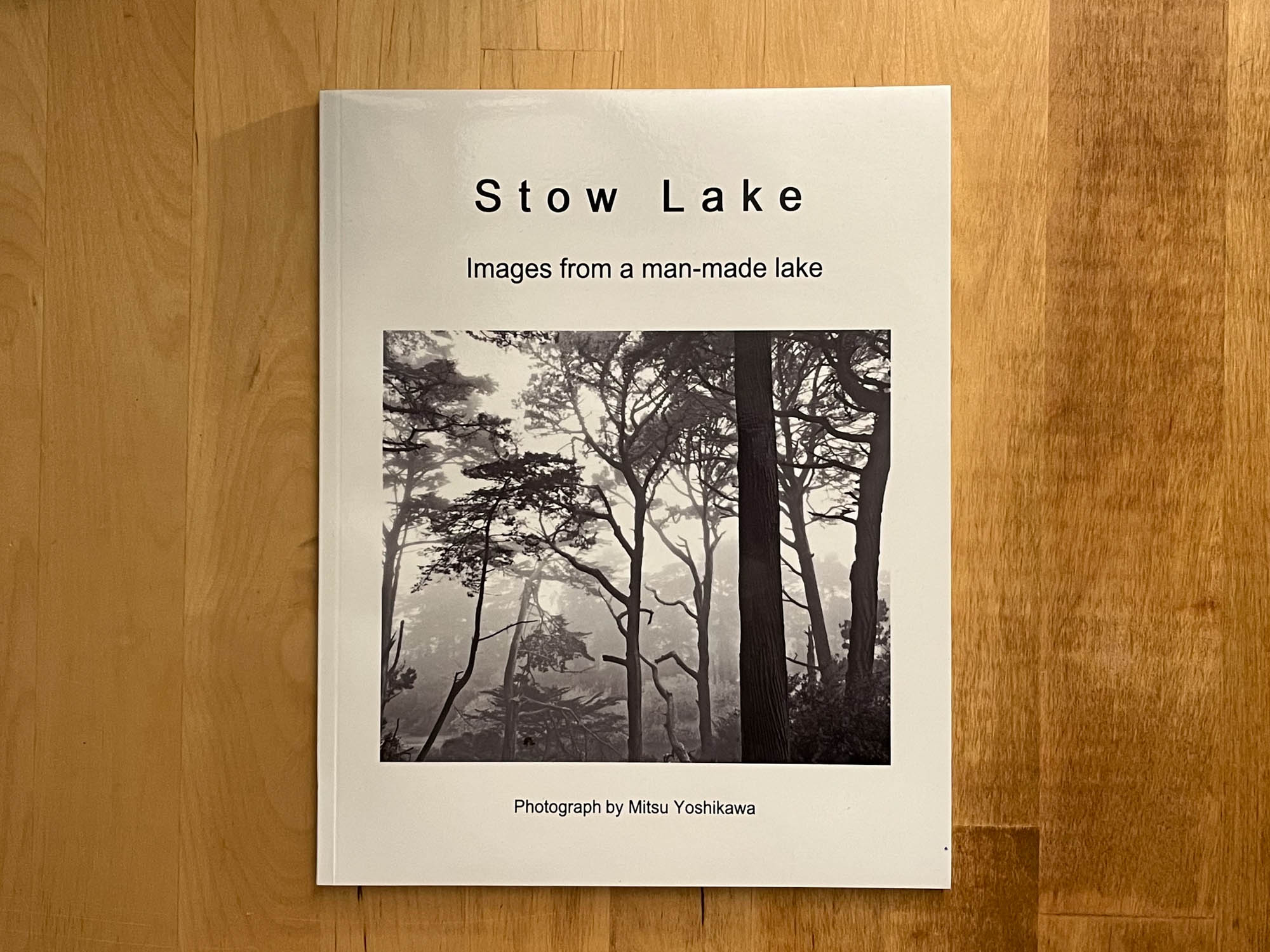
Stow Lake: Images from a Man-made Lake
by Mitsu Yoshikawa
About the book: When I look at landscapes closely, I see the myriad details and subjects that, together in the thousands, create the total landscape. Though often ignored, these small pieces, individually, convey strong messages—sometimes with greater intensity than the total. I try to find these strong messages hidden in the details and bring them to the surface, and to the notice of people. Each photograph contains thousands of bits of information, but the photographer has to create messages, through the images selected, to the audience. More importantly, each photographer has to create his or her own messages by choosing the best tools and equipment to capture the right momentum for the subject and message. Large format cameras are the best for me to use to capture the subjects and convey the messages I want to convey.
Instagram handle: @mitsu.yoshikawa

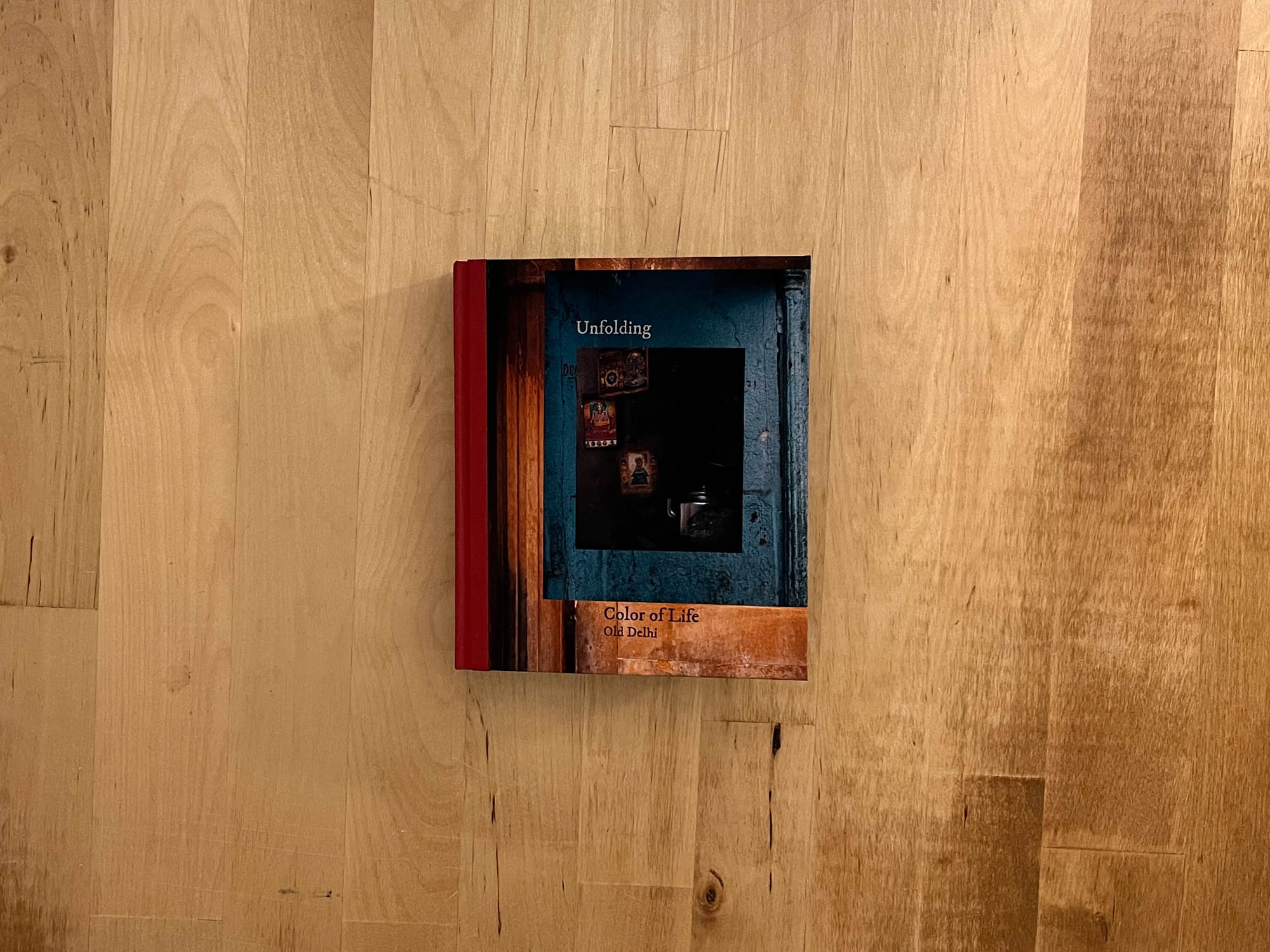
‘Unfolding: Color of Life – Old Delhi’
by Laila Nahar
Laila is primarily a self-taught photographer exploring belonging, memory, cultural and collective identity. Lately, she has become increasingly fascinated with hand-made photo book making.
Laila had solo exhibitions from the ‘Memories from Bangladesh’ series in Steps Gallery (Arizona) and Nelson Gallery (California). Photographs from this series are in permanent collections of ASU and UCDavis photography Museums.
About the book: Not every experience appears in my mind as a book, some does and for some I become the part of that story that can only be narrated in a book. As I walked the old city of Delhi it was life at its infinite wondrous variation. Each nook and each corner are at its unique existence, yet no one would exist in its glorious beauty without the rest. A story of one linked to another and none losing its identity. It is a spectacle of color, fragrance, sound and above all the depth of life. Nothing is orchestrated, yet all are sung from the invisible strings of a great tune. I get pulled and submerged into its comforting depth.
This is a book that symbolizes the unfolding, folding and linkage of life. A life that is vibrant without the pretense of ornamentation. It is a life of struggle, unadorned, and revealed; and it surrounds us, and it penetrates us. The book-form unfolds and depicts the color of life-waves. The juxtaposition of the photos and colors tries to bring the sense of vitality, and the structural element opens up an entry into a world of people, places and the many activities that make up life.
Artist’s Website: https://www.lailanahar.com/
Instagram handle: @naharlaila

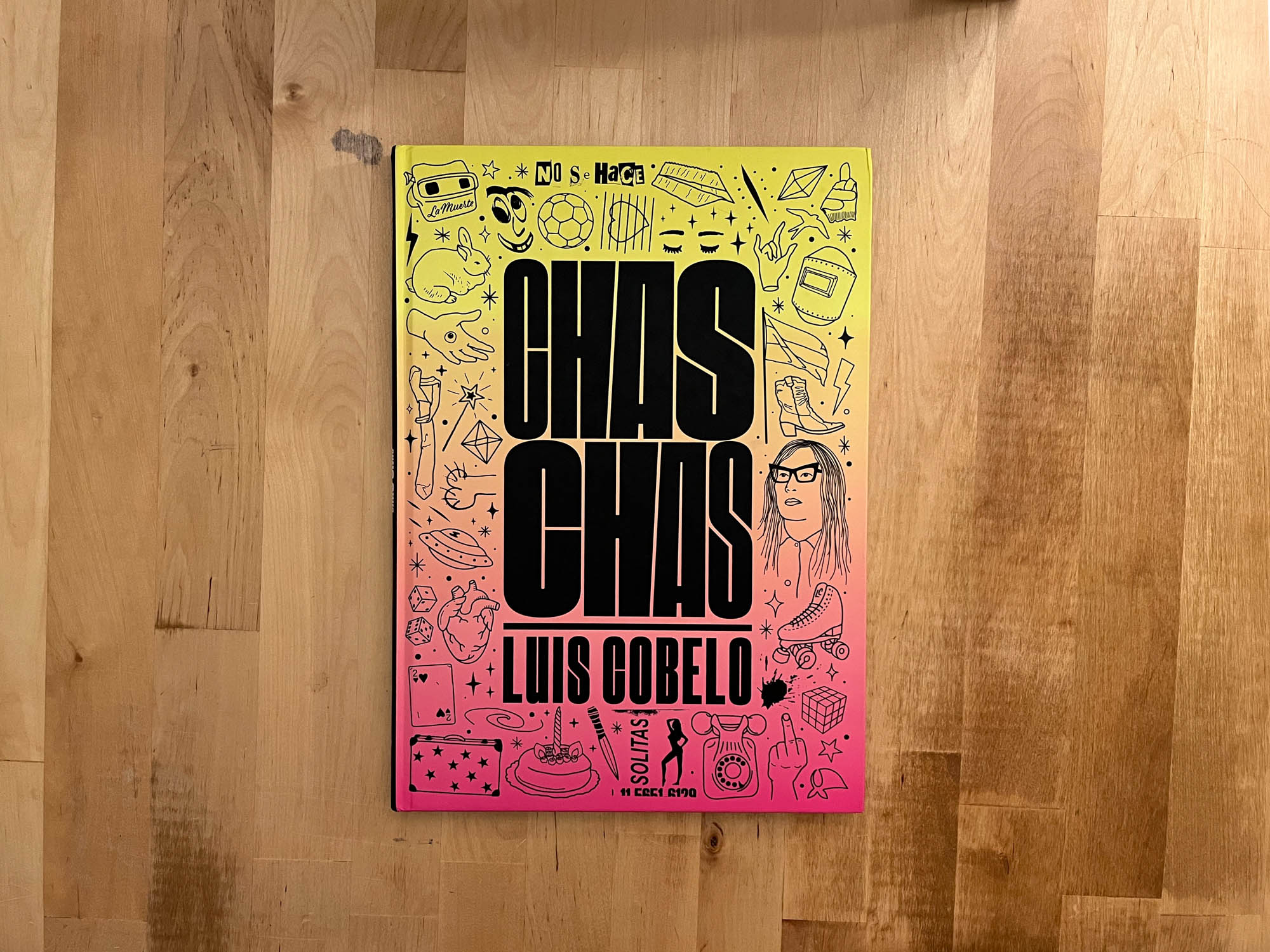
Chas Chas
by Luis Cobelo
He grew up and became a photographer between Venezuela and Spain.
After a long and consolidated career as a photojournalist carrying out documentary projects in the Americas, Asia and Europe, which were published in magazines in Spain, Europe and Latin America, his work is currently based on art and the production of photobooks and exhibitions.
His focus is on fantasy, magical realism and Latin American popular culture, where he generates stories from his personal perspective, reflecting on the process of transforming the everyday into the unusual, from the tragic to funny and vice versa.
Inspired by literature, popular culture, cinema, poetry, myths and traditions (including lies and gossip) he relies on the use of different types of realities that could well be magic tricks (without being a real magician), to create parallel worlds tailored to his own expectations.
He is based in San Francisco (California)
About the book: “Chas Chas” is a magic word, a magic trip. It’s a personal tribute to the city of Buenos Aires, through a particular and poetic neighborhood called Parque Chas.The project is inspired by an Argentinian comic book series of the same name that Luis Cobelo read 32 years ago. The comic reveals, in several chapters, the adventures of a writer who was told that fantastic and extraordinary things happen there.
The reason that “out of the ordinary” things can take place is because the center of the neighborhood was architecturally constructed similar to a spider’s web or a labyrinth. So, that’s why they say that if you enter into that concentric form, you may never leave and magical things can happen to you. Many say that this is the reality and not what is out there. Essentially, in Parque Chas everything is possible.
Many years later, Luis decided to travel thousands of kilometers to see it for himself. But what really took him there was the desire to discover if the following saying which he heard about this mythical neighborhood was true: “Everything you ever lost in life, exists in Parque Chas”.
And yes, it does.
“Chas Chas” It reads like a graphic novel or a mystery story, with many layers of internal and external references. The flow of images conjures a smile-inducing dream logic that feels strangely rooted to the alternate reality of street life in this fantastic place.
All of this happens through Cobelo’s hallucinatory playful eyes, who move through the implausible stories a thousand times told that became real, only for those who want to believe. It is a snap, an intangible place where whoever and whatever was lost, will be found. Can be for everyone, except for those who want to know how magic tricks are done.
NOTE: in the exhibitions, this work includes the performance/presence of Pilar, Luis Cobelo’s sister.
Artist’s Website: www.luiscobelo.com
Instagram handle: @churrito and @chaschasluiscobelo

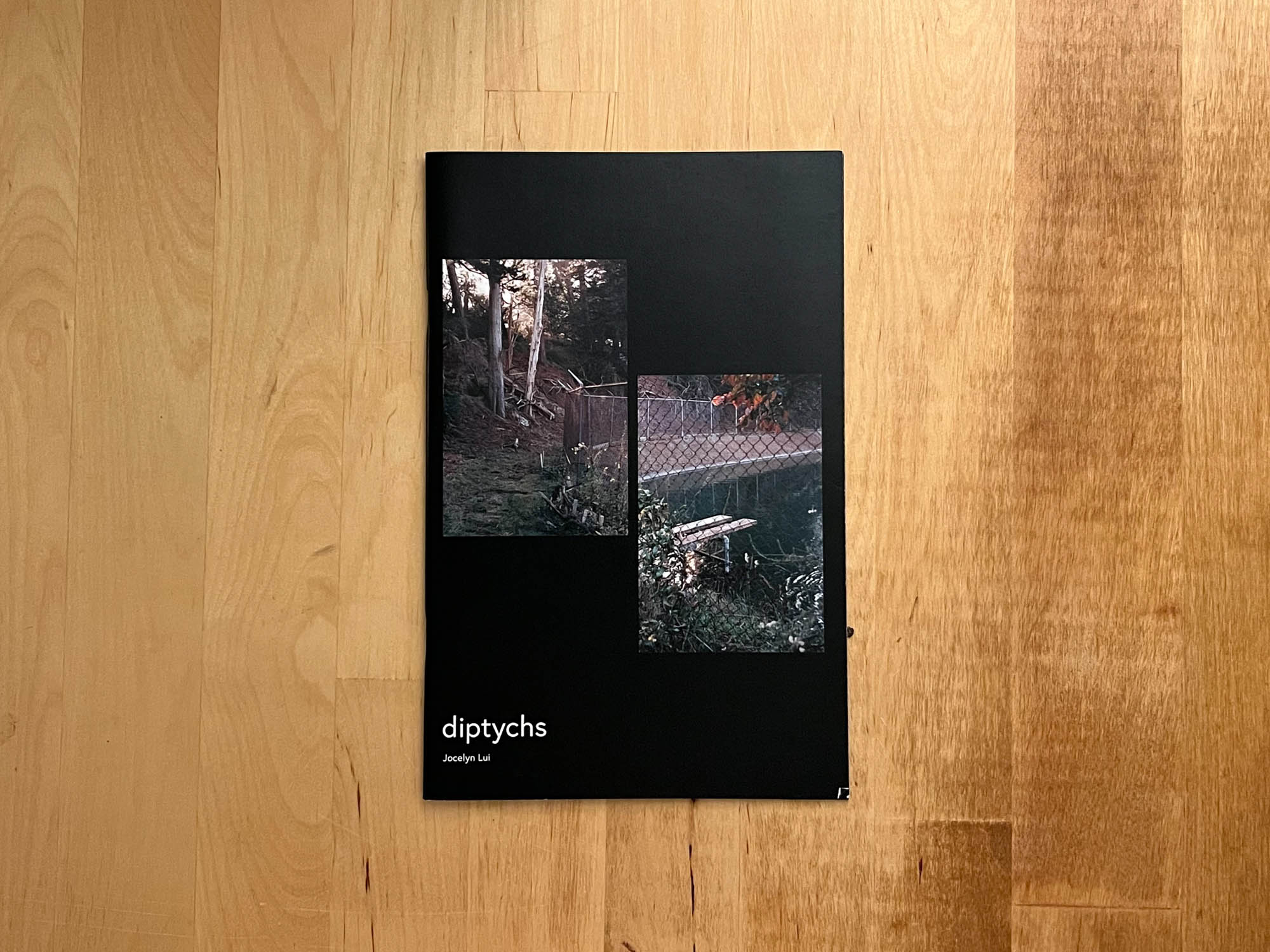
Diptychs
by Jocelyn Liu
About the book: Diptychs is a photo zine that explores image sets of landscapes and portraits made primarily in the Bay Area. In it Lui plays with negative space, horizon lines and alignment to help complete the image sets.
Artist’s Website: https://www.jocelynlui.com
Instagram handle: @jocelyn_lui

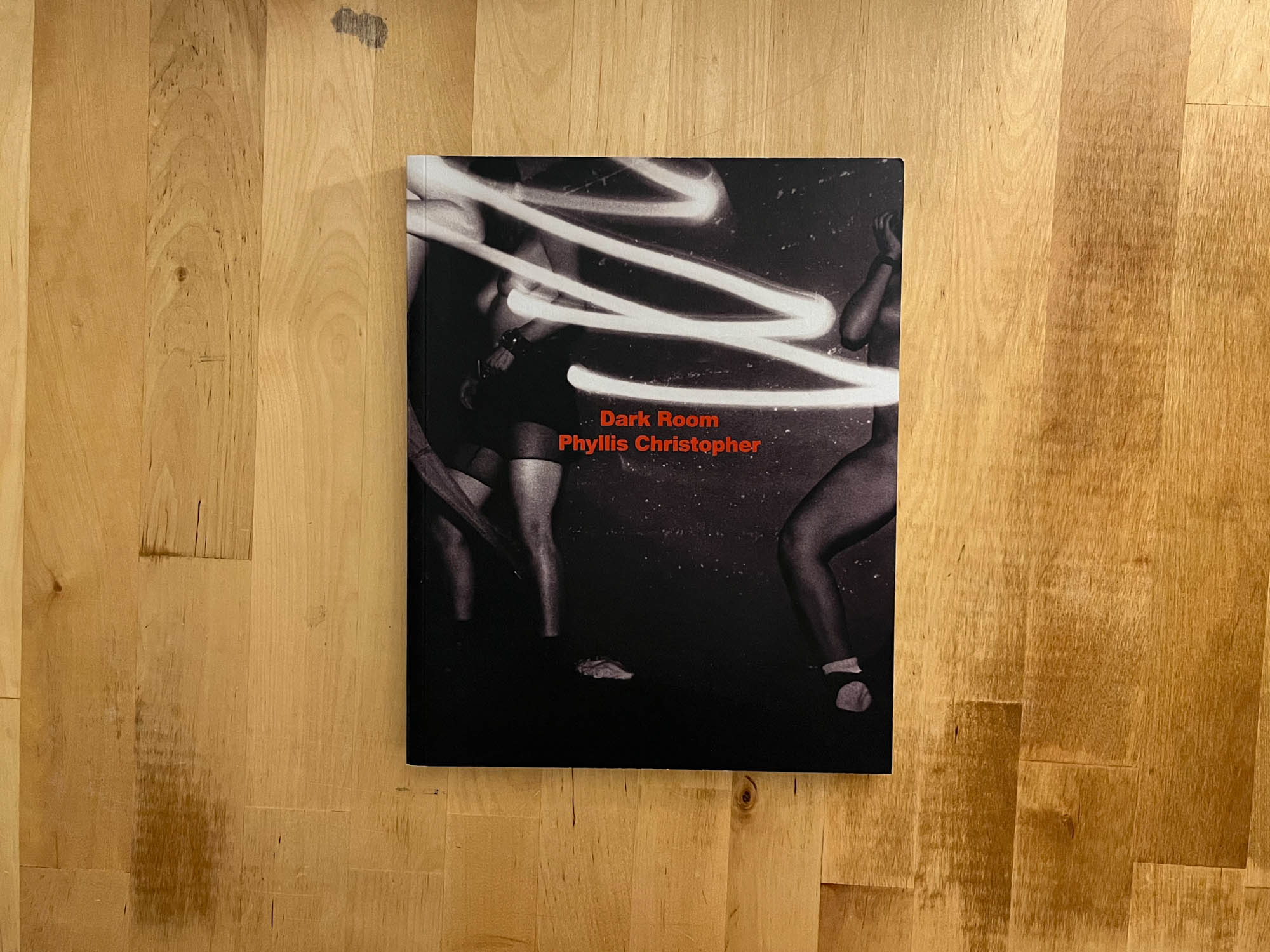
Darkroom
by Phyllis Christopher
About the book: Dark Room brings together fifteen years of Christopher’s work, negotiating street, club, and studio, with camera in hand, to compose a portrait of a community simultaneously defining radical articulations of queer lesbian sexuality and defending its bodily autonomy in the face of right-wing politics, the AIDS crisis and urban gentrification. Reproducing photographs of startling intensity and sensuality alongside new writing by Susie Bright, Laura Guy, Michelle Tea and an interview with Shar Rednour, Dark Room is a heartfelt record of Christopher’s devotion to an analogue tradition, to the pleasures of photographs and the community that made them.
Instagram handle: @phyllischristopher

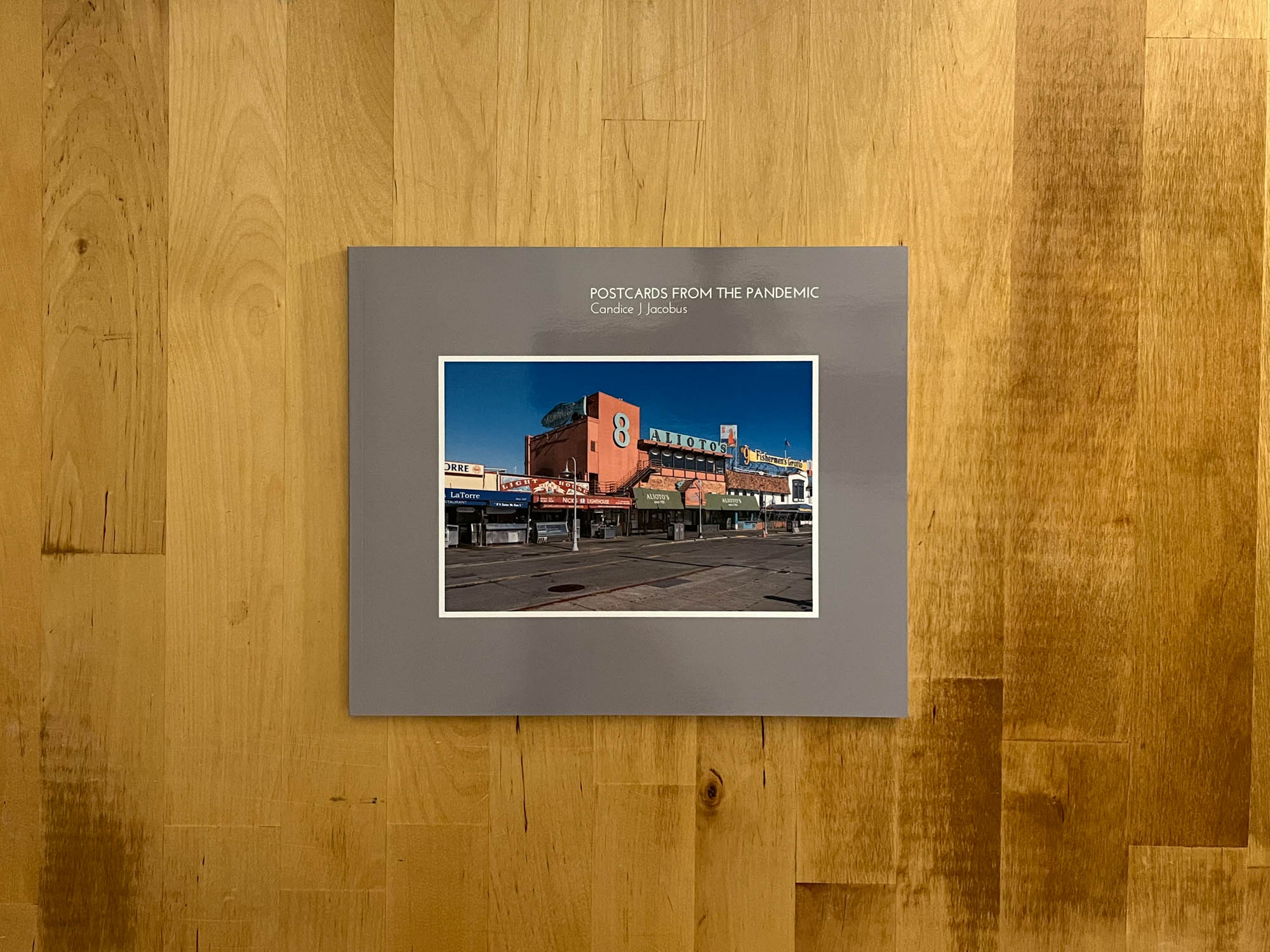
Postcards from the Pandemic
by Candice J. Jacobus
An observer of street life, whether in her home of San Francisco or in cities around the world, Candice searches out the byways and markets where locals carry on their public, or not so public, lives. Often, it’s not the individuals, but the doorway they may emerge from, or the corner that they may round that captures her eye. Sometimes a window beckons, what is happening within? Often it is the ghost of a being converging with time past and future in a shop window. Always there is the sense of a human presence.
About the book: Looked at from a distance of nearly three years, the empty city could be the result of any number of modern disasters, but it was a plague. Images from tourist-mecca San Francisco’s suddenly childless playgrounds, vacant transit hubs, and cable carless streets could speak to a nuclear disaster, but instead they are Postcards from the Pandemic.
Included in the book are also many images of the masked strangers Candice Jacobus encountered in her wanderings: everyday folks with handmade protection against the unknown menace.
Instagram handle: @cjverite
Open call
Submissions for the 2026 round have closed
Check back for the next open call. Books are judged by a committee from the Center.
Questions? harveymilkphotocenter@sfgov.org